
What Is Ikebana? A Beginner’s Guide to the Japanese Art of Flower Arranging
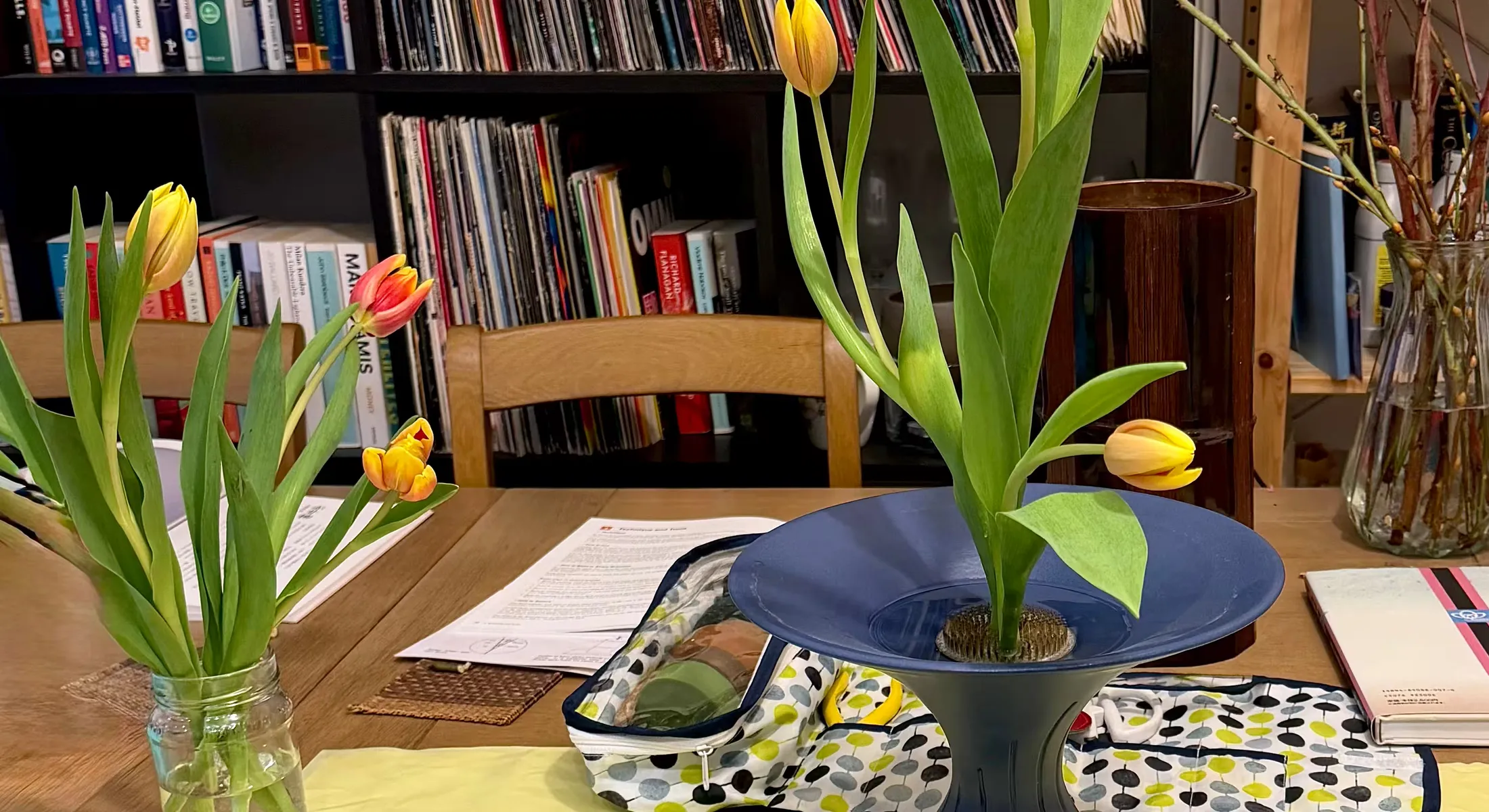
Ikebana is the traditional Japanese art of arranging flowers and plants in a container to create a living work of art
What is Ikebana
Ikebana is the art of arranging flowers and plants in a container to create a work of art. Originally, these arrangements were offerings made to Buddha by monks. Today, however, ikebana has become a cultural practice enjoyed by people of all ages and genders, with many taking it up as a hobby that enriches their daily lives.
What is the difference between western flower arrangement and ikebana?
The two approaches are quite different. Flower arranging is often called the “aesthetics of addition,” meaning it uses many flowers to fill the space. Ikebana, on the other hand, is known as the “aesthetics of subtraction,” creating beauty by using as few flowers and leaves as possible and appreciating the elegance of empty space.
How to Arrange Flowers
If you keep in mind the basic concepts of Ikebana, you will be able to create beautiful, cohesive arrangements.
(01) Observe the flowers carefully
When arranging the flowers you have prepared, first observe them carefully. Try rotating them around to find the best side to look at. Even if plants are the same species, such as Lisianthus or Fresias, when you look at each one, you will see that they all have different expressions and no two are the same. Would it be better to arrange them facing forward, sideways, or backwards? Find the best way to arrange them and find a way to bring out their individuality and charm.
(02) Both buds and leaves are important elements of Ikebana
Ikebana does not only use blooming flowers, but also uses buds, and it is common to show stems and add leaves. There are even some ikebana arrangements that use only leaves, without flowers. Plants can produce beautiful flowers thanks to the leaves' ability to produce energy through photosynthesis. Leaves are very important for ikebana, because they condense the beauty of the life of flowers. It's important to remember to incorporate greenery in your arrangement.
(03) Don't use too many different types of flowers
When arranging Ikebana, it is important to be careful not to use too many different types of flowers. If there are too many types, the individuality of each may not be fully utilized, resulting in a disjointed finish. There is a saying in Ikebana that goes, "Few things are more precious." Rather than arranging a large number of flowers, it is better to use as few flowers as possible and focus on highlighting the beauty of each individual one.
Essential Ikebana Tools for Beginners
There aren't many tools used in Ikebana, but it's reassuring to know the basic ones and what to look for when picking them
(01)
Flower Scissors
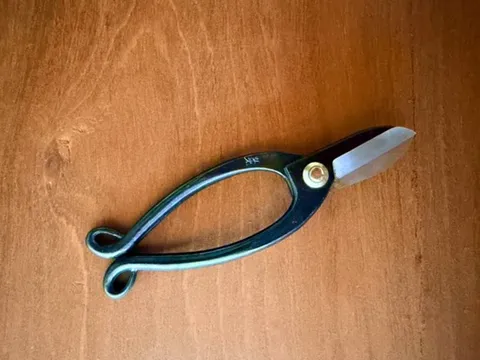
The most important Ikebana tool is a pair of flower scissors. Prices vary, but you don’t need an expensive pair to start. Choose scissors that feel comfortable in your hand, since you’ll use them for a long time. Traditional models are made of steel, but rust-resistant stainless-steel options are now available and require less maintenance. Still, taking care of your tools is part of the practice. Pick scissors that suit you and use a protective cover so you can carry them safely.
(02)
Flower Vase
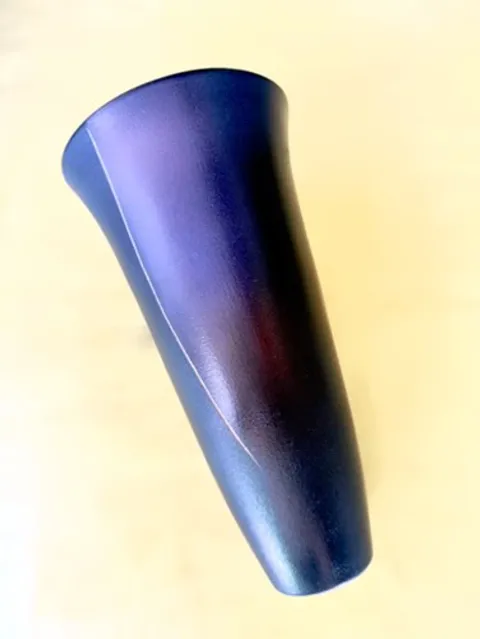
A vase is another essential tool for Ikebana. Although there are many styles, beginners should start with a simple one. Stylish or unusual shapes require more skill, so a basic round water basin is recommended. Choose solid colours like white, black, blue, or green, which pair well with most flowers and compositions. Avoid vases that are too small—choose a reasonably sized one with a diameter of about 25–28 cm.
(03)
Kenzan
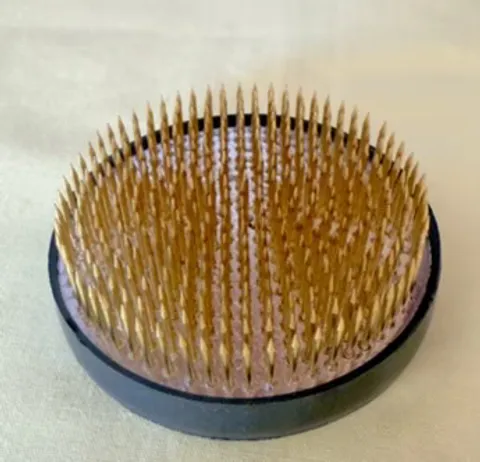
A flower holder is used to keep the stems in place, and the most common type is a kenzan. Its name means “mountain of swords,” referring to its needle-like spikes. It’s best to use a kenzan with a non-slip base, as it can be dangerous if it shifts while you insert flowers or branches. Kenzans come in many sizes, so choose one that fits your vase (for beginners, a size around 6–7cm is recommended).
What to Keep in Mind
A little intention can turn flower arranging from simple decoration into a deeply enjoyable practice.
Prepare your tools and space before you begin. Keep your scissors, vase, and kenzan clean, and tidy the area around you so you can work calmly and without interruption.
Then slow down and settle your mind. Place each stem with care, notice the natural shapes, and appreciate the beauty of space and simplicity.
Working with flowers, leaves, and branches brings your attention into the present moment, creating a quiet, mindful rhythm that feels both peaceful and grounding.